500
View Article
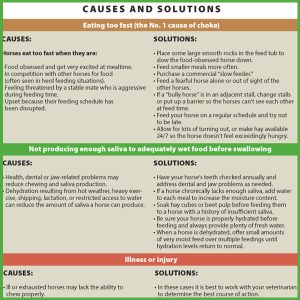
Click to download chart. Horses choke when a mass of partially chewed feed becomes lodged in their esophagus. In an effort...
» View Article
3,540
View Article
Soaking hay is one way to reduce the amount of sugar in the hay, but it should only be used...
» View Article
300
View Article
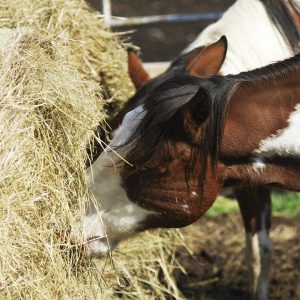
There is often a stigma attached to feeding round bales to horses, but managed well they can be a safe and economical option. When baled and stored properly, round bales are no more prone to growing bacteria or mold than square bales. If you decide to feed round bales to your horses, be sure to purchase them from a reputable dealer who has cut and stored the hay properly. Click here to download infographic.
» View Article
450
View Article
PPID, once known as Cushing’s disease, is now commonly referred to as pituitary pars intermedia dysfunction. In PPID, a portion...
» View Article
1,612
View Article
People, cats and dogs often suffer from hearing loss due to injury, illness or old age, but what about horses?...
» View Article
3,259
View Article
Does it really matter? The terms probiotic and prebiotic are showing up more and more often on feed bags and...
» View Article
0
View Article
https://youtu.be/5wZJYyQzZdE “KPP was highly recommended to me by my veterinarian, Dr. Meghan Waller. Meghan only recommends products she personally believes...
» View Article
0
View Article
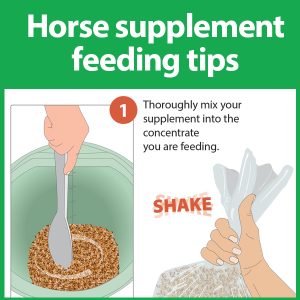
Click here to download a print version of this infographic. Text-only version of “Horse supplement feeding tips” Thoroughly mix your...
» View Article
307
View Article
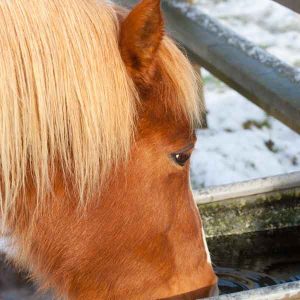
Article re-posted with kind permission by Equine Guelph: https://equineguelph.ca By Gayle Ecker, Director of Equine Guelph The fall is a...
» View Article
4,596
View Article
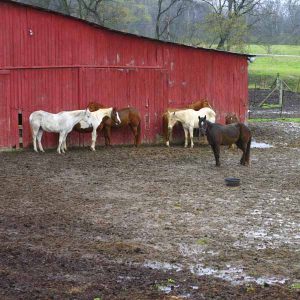
Wet feet are a common problem Poor hoof quality can be the result of multiple factors, including poor nutrition, lack...
» View Article
500
View Article
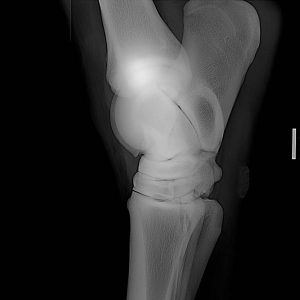
Hyaluronic acid (HA) is an integral component of synovial fluid and articular cartilage. It is responsible for lubrication of the...
» View Article
800
View Article
Does one of these scenarios sound familiar? • The barn manager sends you a text: your horse is out of...
» View Article
100
View Article
Over the past couple of decades improved management, nutrition, and veterinary care have contributed to increase longevity in today’s horse population. It is not unusual to hear of horses living well into their thirties. As horses age, the wear and tear of a lifetime of activity takes its toll on joints, leading to the development of arthritis. While there is no cure for arthritis, there are ways we can keep senior horses more comfortable.
» View Article
100
View Article
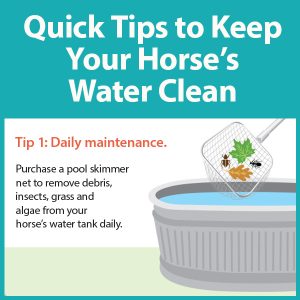
Click here to download a print version of this infographic. Text-only version of “Quick tips to keep your horse’s water...
» View Article
1,228
View Article
Providing proper nutrition for your horse is one of the most basic ways to ensure his well-being. High-quality forage and...
» View Article
228
View Article
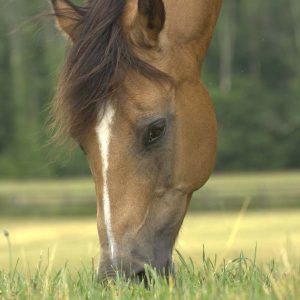
Certain types of horses are at higher risk of developing vitamin deficiencies than others. It may be because they are...
» View Article
100
View Article
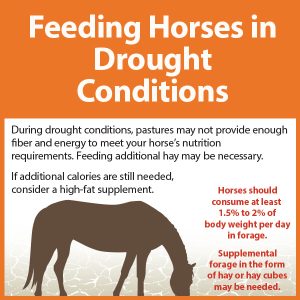
During drought conditions, pastures may not provide enough fiber and energy to meet your horse’s nutrition requirements. Feeding additional hay may be necessary. If additional calories are still needed, consider a high-fat supplement. Horses should consume at least 1.5% to 2% of body weight per day in forage. Supplemental forage in the form of hay or hay cubes may be needed.
» View Article
100
View Article
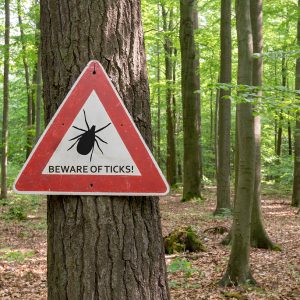
Article re-posted with kind permission by Equine Guelph: https://equineguelph.ca Both people and their animals have been encountering more ticks and...
» View Article
1,151
View Article
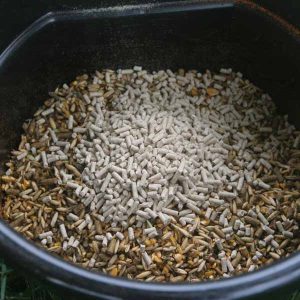
It can be hard to get a picky eater to consume enough calories to maintain optimal condition. Digestive aids, such...
» View Article
1,624
View Article
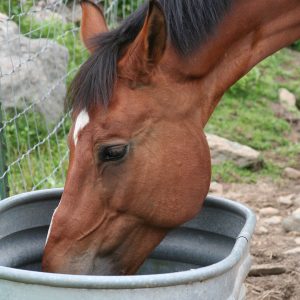
During the hot summer months it is important for your horse to have unlimited access to fresh, clean water. A...
» View Article
100
View Article
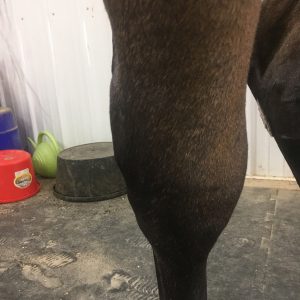
This is post 41 of 41 in the series “Taco Tuesday” It’s Taco Tuesday! Taco Tuesday special report Back in...
» View Article
466
View Article
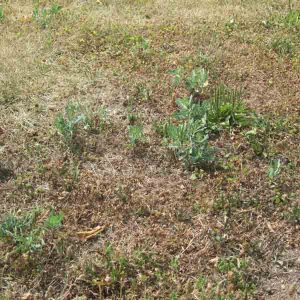
Hot and dry temps got your pasture down? The record heat and lack of rain has turned many pastures brown...
» View Article
0
View Article
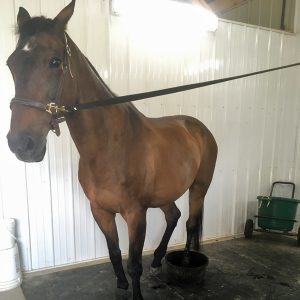
This is post 40 of 41 in the series “Taco Tuesday” It’s Taco Tuesday! Taco Tuesday special report Back in...
» View Article
200
View Article
Article re-posted with kind permission by Equine Guelph. During the summer there are often waves of horses presenting with respiratory...
» View Article