1,612
View Article
People, cats and dogs often suffer from hearing loss due to injury, illness or old age, but what about horses?...
» View Article
3,159
View Article
Does it really matter? The terms probiotic and prebiotic are showing up more and more often on feed bags and...
» View Article
0
View Article
https://youtu.be/5wZJYyQzZdE “KPP was highly recommended to me by my veterinarian, Dr. Meghan Waller. Meghan only recommends products she personally believes...
» View Article
0
View Article
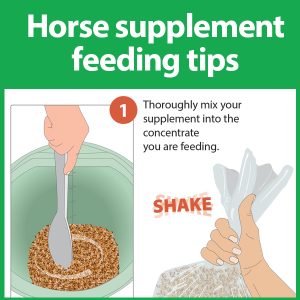
Click here to download a print version of this infographic. Text-only version of “Horse supplement feeding tips” Thoroughly mix your...
» View Article
207
View Article
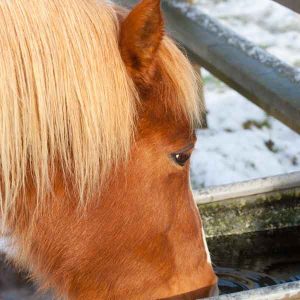
Article re-posted with kind permission by Equine Guelph: http://equineguelph.ca/news/index.php?content=353 By Gayle Ecker, Director of Equine Guelph The fall is a...
» View Article
4,496
View Article
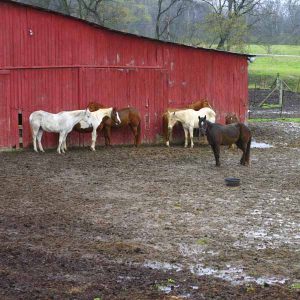
Wet feet are a common problem Poor hoof quality can be the result of multiple factors, including poor nutrition, lack...
» View Article
500
View Article
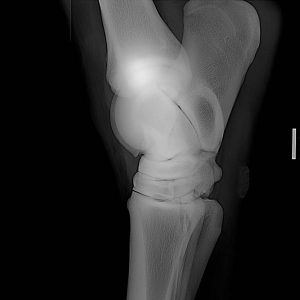
Hyaluronic acid (HA) is an integral component of synovial fluid and articular cartilage. It is responsible for lubrication of the...
» View Article
700
View Article
Does one of these scenarios sound familiar? • The barn manager sends you a text: your horse is out of...
» View Article
0
View Article
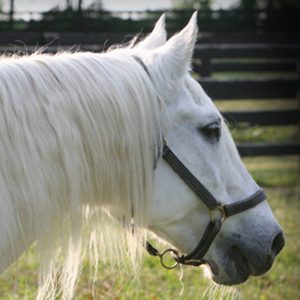
Over the past couple of decades improved management, nutrition, and veterinary care have contributed to increase longevity in today’s horse population. It is not unusual to hear of horses living well into their thirties. As horses age, the wear and tear of a lifetime of activity takes its toll on joints, leading to the development of arthritis. While there is no cure for arthritis, there are ways we can keep senior horses more comfortable.
» View Article
100
View Article
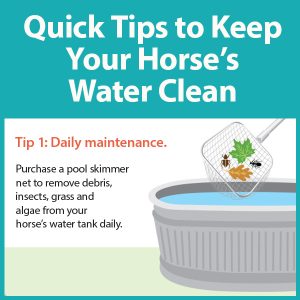
Click here to download a print version of this infographic. Text-only version of “Quick tips to keep your horse’s water...
» View Article
1,228
View Article
Providing proper nutrition for your horse is one of the most basic ways to ensure his well-being. High-quality forage and...
» View Article
228
View Article
Certain types of horses are at higher risk of developing vitamin deficiencies than others. It may be because they are...
» View Article
100
View Article
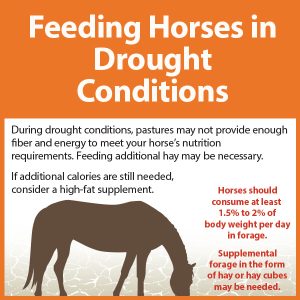
During drought conditions, pastures may not provide enough fiber and energy to meet your horse’s nutrition requirements. Feeding additional hay may be necessary. If additional calories are still needed, consider a high-fat supplement. Horses should consume at least 1.5% to 2% of body weight per day in forage. Supplemental forage in the form of hay or hay cubes may be needed.
» View Article
100
View Article
Article re-posted with kind permission by Equine Guelph: https://thehorseportal.ca/2021/06/what-to-do-about-ticks/ Both people and their animals have been encountering more ticks and...
» View Article
1,151
View Article
It can be hard to get a picky eater to consume enough calories to maintain optimal condition. Digestive aids, such...
» View Article
1,324
View Article
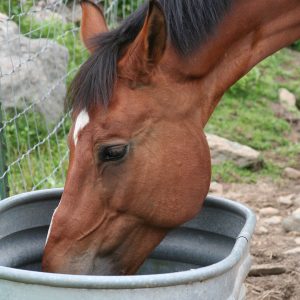
During the hot summer months it is important for your horse to have unlimited access to fresh, clean water. A...
» View Article
100
View Article
This is post 41 of 41 in the series “Taco Tuesday” It’s Taco Tuesday! Taco Tuesday special report Back in...
» View Article
466
View Article
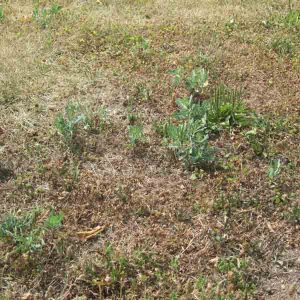
Hot and dry temps got your pasture down? The record heat and lack of rain has turned many pastures brown...
» View Article
0
View Article
This is post 40 of 41 in the series “Taco Tuesday” It’s Taco Tuesday! Taco Tuesday special report Back in...
» View Article
100
View Article
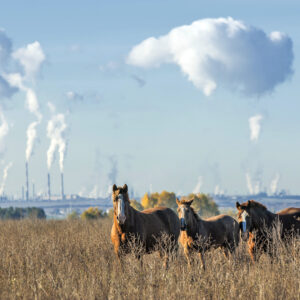
Article re-posted with kind permission by Equine Guelph: https://thehorseportal.ca/2021/05/equine-asthma-pollution/ During the summer there are often waves of horses presenting with...
» View Article
100
View Article
Mosquitoes are not just annoying; they pose a health risk for your horses. Mosquitoes spread several neurologic diseases: West Nile virus, eastern equine encephalomyelitis, and western equine encephalomyelitis.
It is important to vaccinate your horse to protect against these diseases as well as take steps to manage the mosquito population on your farm.
» View Article
800
View Article
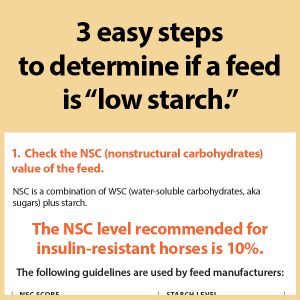
3 easy steps to determine if a horse feed is “low starch". 1. Check the NSC (nonstructural carbohydrates)value of the feed. 2. Look for fat and fiber ingredients at the top of the ingredient list. 3. Make sure any cereal grains and molasses are only present in small amounts.
» View Article
196
View Article
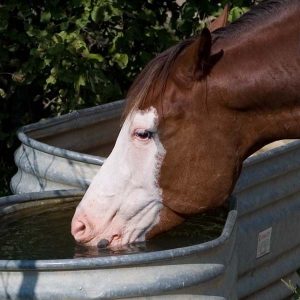
When it is hot out, exercise and other stressors can lead to dangerous dehydration. Horses generate a tremendous amount of...
» View Article
5,800
View Article
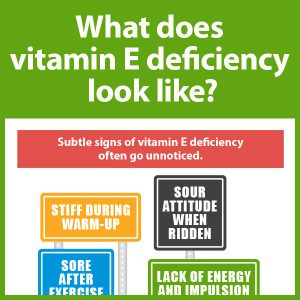
What does vitamin E deficiency look like in horses?
Subtle signs of vitamin E deficiency often go unnoticed.
Stiff during warm-up
Sore after exercise
Sour attitude when ridden
Lack of energy and impulsion
» View Article