69
View Article
Article re-posted with kind permission by Equine Guelph: www.equineguelph.ca Story by: Jackie Bellamy-Zions Hiding pain is one of the top...
» View Article
299
View Article
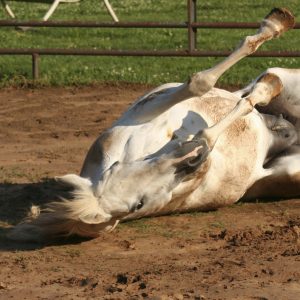
Common myth: If a colicky horse is passing manure, he will be fine. Busted: Not necessarily so, say veterinary surgeons....
» View Article
3,719
View Article
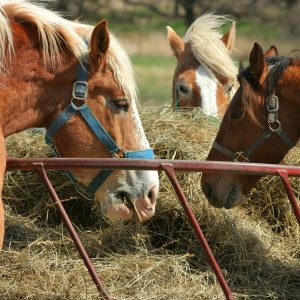
Six indicators to look at when deciding which hay is best for a mature horse: 1) Digestible Energy (DE) is...
» View Article
691
View Article
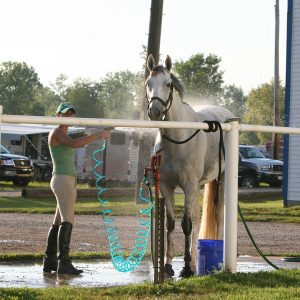
Electrolytes are necessary for horses that sweat. Without proper electrolyte supplementation, horses are at best unable to perform optimally, and...
» View Article
280
View Article
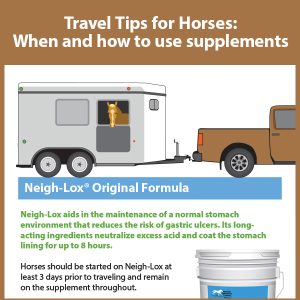
Travel Tips for Horses- Part 3: How and When to Use Supplements
» View Article

360
View Article
The Elevate Event Team was born in the winter of 2015 on sunny afternoon around a picnic table at Missy Ransehousen’s Blue Hill Farm in Ocala, Florida. The Team would allow Kentucky Performance Products to participate in the eventing world in a…
» View Article
355
View Article
Recent research at the University of Kentucky shows that including prebiotics in a senior horse’s diet significantly reduces the markers...
» View Article
297
View Article
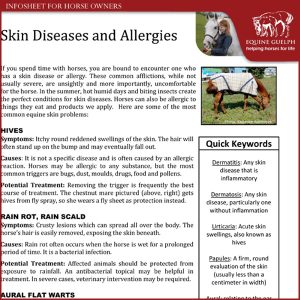
Click here, to learn more about common skin diseases and allergies in horses. Article re-posted with kind permission by Equine...
» View Article
781
View Article
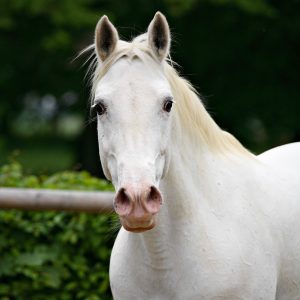
Horses with white or light-colored skin are more susceptible to sunburn. It is important to limit your horse’s exposure to...
» View Article
26,502
View Article
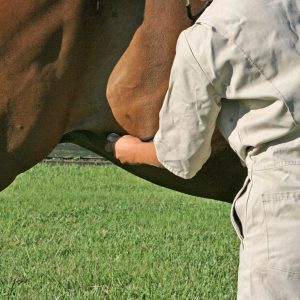
One way to determine if your horse is normal and healthy is to evaluate the rumblings of his gut. The...
» View Article
315
View Article
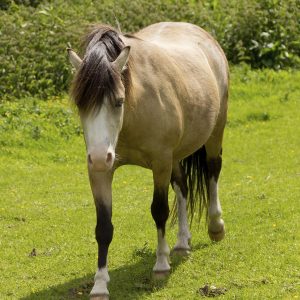
Many owners are unaware that a handful of concentrate a day does not come close to providing all the nutrients...
» View Article

73
View Article
Hey guys, as usual it has been a while since my last blog. I live the crazy life of eventer, trying to balance a job outside of horses, a relationship, teaching, riding my own horses, riding horses for other people, and a social life. My social life is what…
» View Article
214
View Article
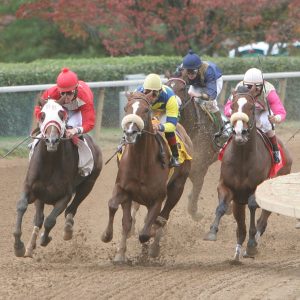
To maintain a strong skeleton, a horse’s bones constantly undergo bone remodeling. This occurs when one type of cell breaks...
» View Article
194
View Article
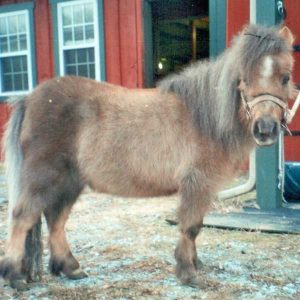
I am so thankful I saw your ad on the back of one of my horse magazines. It was sheer...
» View Article
200
View Article
A study in the UK tested the eyesight of 333 horses. It noted that only 68% of horses have perfect...
» View Article
1,915
View Article
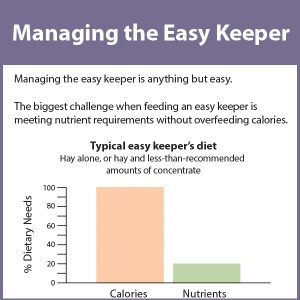
Managing the easy keeper is anything but easy. The biggest challenge when feeding an easy keeper is meeting nutrient requirements without overfeeding calories.
» View Article
301
View Article
Article re-posted with kind permission by Equine Guelph: https://equineguelph.ca Story by: Barbara Sheridan In the management of horse health, injuries and...
» View Article
785
View Article
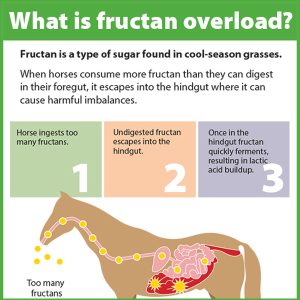
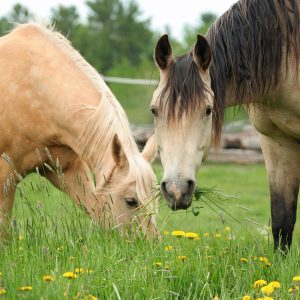
Fructan is a type of sugar found in cool-season grasses. When horses consume more fructan than they can digest in their foregut, it escapes into the hindgut where it can cause harmful imbalances.
» View Article
979
View Article
Iron is considered a true trace mineral. Its main role is to assist in the transportation of oxygen throughout the...
» View Article
411
View Article
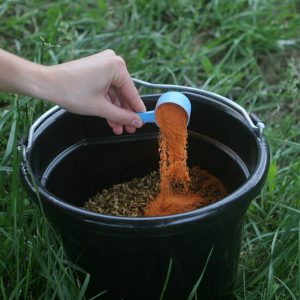
1. Administer the supplement according to the directions. Let’s face it: supplements can be expensive, especially the good ones that...
» View Article
733
View Article
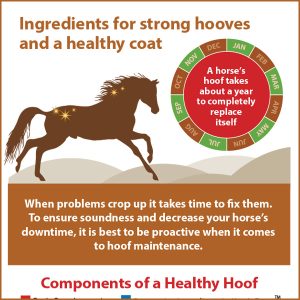
A horse’s hoof takes about a year to completely replace itself. One of the first signs of inadequate nutrition is a dry, dull hair coat and cracked hooves. When problems crop up it takes time to fix them. To ensure soundness and decrease your horse’s downtime, it is best to be proactive when it comes to hoof maintenance.
» View Article
391
View Article
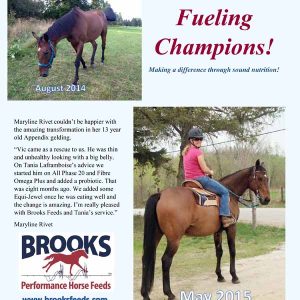
“Vic came as a rescue to us. He was thin and unhealthy looking with a big belly. On Tania Laframboise’s...
» View Article
71
View Article
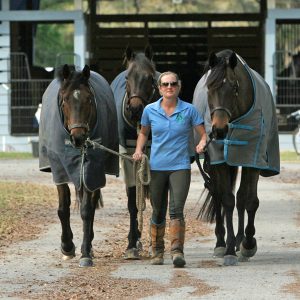
Hey everyone. Wow, where has the time gone? I felt like just last week I was writing about getting to Florida, and now it’s almost time to pack up and leave!
A lot has happened since I last updated with you all, so I’ll try to sum it up the best I can…
» View Article
2,368
View Article
Botulism is a neurotoxin produced by the Clostridium botulinum bacterium. Horses are particularly sensitive to botulism. The bacterium itself is...
» View Article