52
View Video
Horses with a busy lifestyle are at high risk for digestive upset. Limited grazing, larger grain meals, and frequent traveling...
» View Video
622
View Article
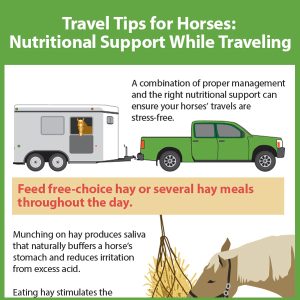
Travel Tips for Horses- Part 2: Nutritional Support While Traveling
» View Article
181
View Article
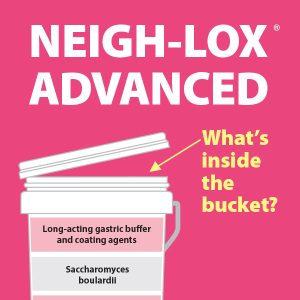
Neigh-Lox Advanced contains a proprietary blend of research-proven ingredients that work synergistically to maintain healthy equine GI tract tissues.
» View Article
3,159
View Article
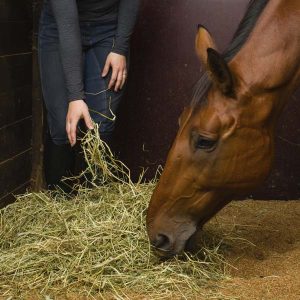
Does it really matter? The terms probiotic and prebiotic are showing up more and more often on feed bags and...
» View Article
1,151
View Article
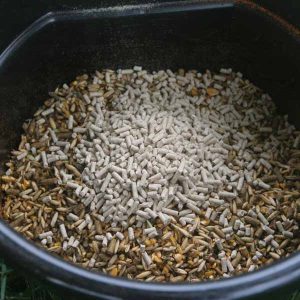
It can be hard to get a picky eater to consume enough calories to maintain optimal condition. Digestive aids, such...
» View Article
3,952
View Article
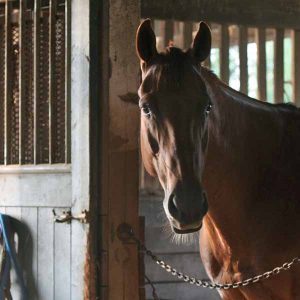
Most of us know that horses can suffer from equine gastric ulcers syndrome (EGUS), a condition where horses develop ulcers...
» View Article
332
View Article
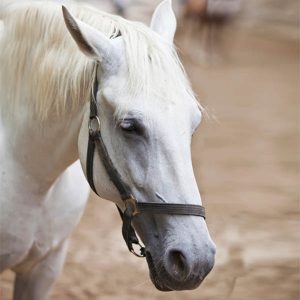
A scoop of grain and two fluffy flakes of hay in the morning. A scoop of grain and two fluffy flakes...
» View Article
1,136
View Article
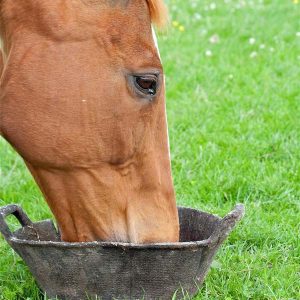
We have all heard that certain horses exposed to stressful conditions are at a higher risk of developing ulcers and...
» View Article
1,285
View Article
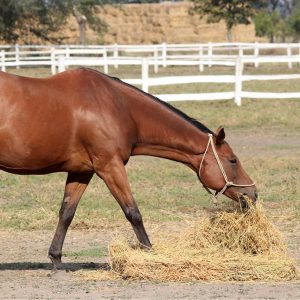
In his natural state, your horse would spend 16 to 17 hours each day roaming around and grazing on a...
» View Article
925
View Article
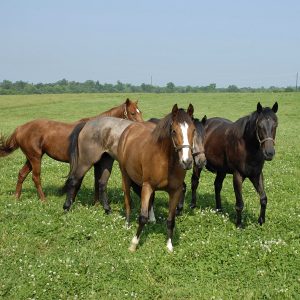
To most horse people, there is no better sight than a row of freshly bedded stalls, complete with a pile...
» View Article

154
View Article
Do you believe gastric ulcers affect only high-performance athletes such as racehorses or Olympic contenders? Do you believe it takes...
» View Article

1,281
View Article
As equine athletes, our horses constantly run the risk of injury. When injury occurs, the horse is faced with a...
» View Article
299
View Article
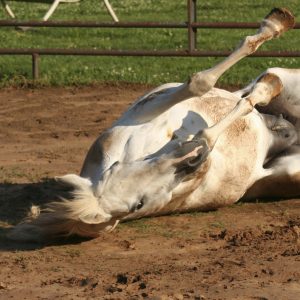
Common myth: If a colicky horse is passing manure, he will be fine. Busted: Not necessarily so, say veterinary surgeons....
» View Article
355
View Article
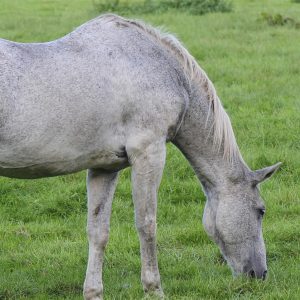
Recent research at the University of Kentucky shows that including prebiotics in a senior horse’s diet significantly reduces the markers...
» View Article
26,302
View Article
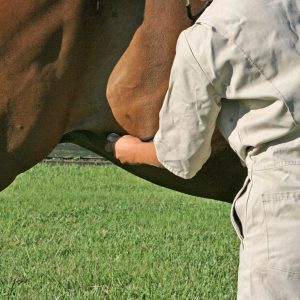
One way to determine if your horse is normal and healthy is to evaluate the rumblings of his gut. The...
» View Article
1,815
View Article
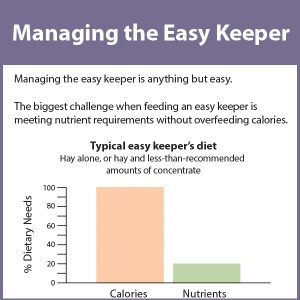
Managing the easy keeper is anything but easy. The biggest challenge when feeding an easy keeper is meeting nutrient requirements without overfeeding calories.
» View Article
395
View Article
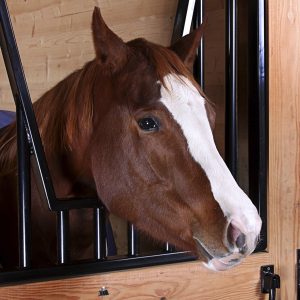
Whether a racehorse needs some downtime from the rigors of track life or a show jumper is on stall rest...
» View Article
253
View Article
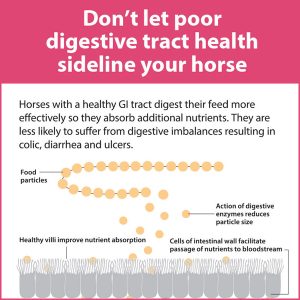
Horses with a healthy GI tract digest their feed more effectively so they absorb additional nutrients. They are less likely to suffer from digestive imbalances resulting in colic, diarrhea and ulcers.
» View Article
371
View Video
Neigh-Lox® Advanced provides a scientifically advanced blend of ingredients that work synergistically to maintain your horse’s digestive tract in peak...
» View Video
914
View Article
As the seasons change, so do the quality and content of your horse’s feeding program. Winterizing your horse with Kentucky...
» View Article

88
View Article
Do you worry about colic in your horse? Did you know you can reduce the threat of colic by identifying...
» View Article
617
View Article
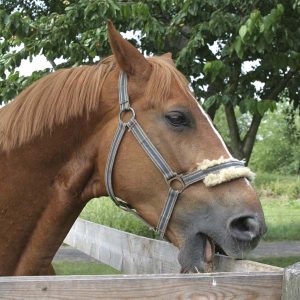
Once known as a stable vice, cribbing is now considered by equine behaviorists as a stereotypical oral behavior. Cribbing behavior...
» View Article
1,548
View Article
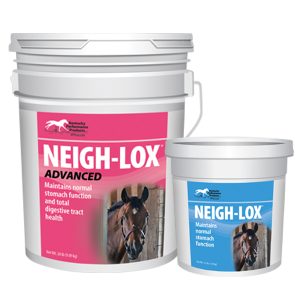
The original Neigh-Lox®, with the blue label, was developed in 1996 to address the ever-growing problem of stomach ulcers in horses....
» View Article
391
View Article
For years, horsemen have believed that the surefire way to sidestep gastric ulcers is full-time grazing. However, that widely held...
» View Article