100
View Article
Walking won’t cure colic and it isn’t always in your horse’s best interest (or yours) to walk him for hours and hours.
» View Article
300
View Article
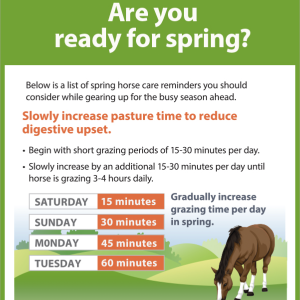
Below is a list of spring horse care reminders you should consider while gearing up for the busy season ahead.
» View Article
8,891
View Article
Gas colic is one of the more common types of colic and one of the least serious. It is caused...
» View Article
52
View Video
Horses with a busy lifestyle are at high risk for digestive upset. Limited grazing, larger grain meals, and frequent traveling...
» View Video
622
View Article
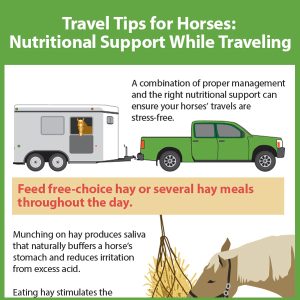
Travel Tips for Horses- Part 2: Nutritional Support While Traveling
» View Article
735
View Article
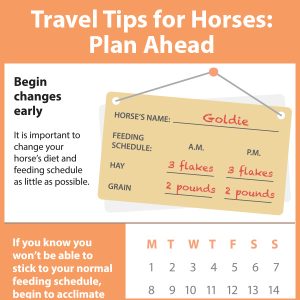
Travel Tips for Horses- Part 1: Plan Ahead
» View Article

181
View Article
Neigh-Lox Advanced contains a proprietary blend of research-proven ingredients that work synergistically to maintain healthy equine GI tract tissues.
» View Article
3,159
View Article
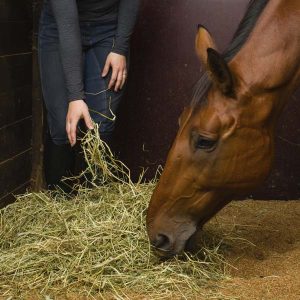
Does it really matter? The terms probiotic and prebiotic are showing up more and more often on feed bags and...
» View Article
207
View Article
Article re-posted with kind permission by Equine Guelph: http://equineguelph.ca/news/index.php?content=353 By Gayle Ecker, Director of Equine Guelph The fall is a...
» View Article
1,151
View Article
It can be hard to get a picky eater to consume enough calories to maintain optimal condition. Digestive aids, such...
» View Article
1,681
View Article
Your truck is gassed up and ready to go. You have gone over your trailer’s safety check list and it...
» View Article
3,042
View Article
What is a fructan? Fructan is a type of sugar found in cool-season grasses. Instead of being digested in the...
» View Article
3,952
View Article
Most of us know that horses can suffer from equine gastric ulcers syndrome (EGUS), a condition where horses develop ulcers...
» View Article
1,005
View Article
In every aspect of our lives we strive for balance. As owners and caretakers of horses we should also make...
» View Article
332
View Article
A scoop of grain and two fluffy flakes of hay in the morning. A scoop of grain and two fluffy flakes...
» View Article
342
View Article
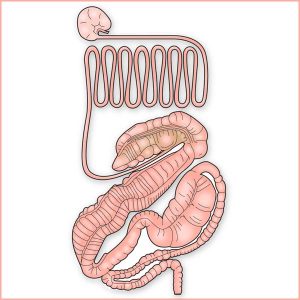
Bugs? What bugs? Horses are hindgut fermenters. In other words, the hindgut portion of your horse’s digestive tract contains millions...
» View Article
722
View Article
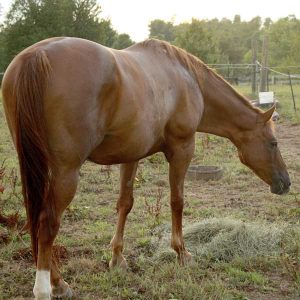
In Clarifying Carbohydrates Part I, we reviewed simple carbohydrates and in Clarifying Carbohydtrates Part II we looked at rapidly fermentable carbohydrates. This Nutritional Minute describes slowly fermentable carbohydrates (fiber) and discusses the concerns associated with all carbohydrates in the equine diet.
» View Article
379
View Article
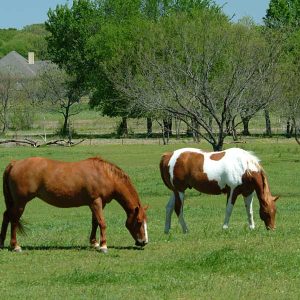
There are many types of carbohydrates in equine diets, including simple carbohydrates, rapidly fermentable carbohydrates, and complex, slowly fermentable carbohydrates. Your horse digests each type of carbohydrate differently. Some types of carbs are better for your horse than others. Click here for Clarifying Carbohydrates Part I for information on simple carbs. This time we will reviewing rapidly fermentable carbs.
» View Article
744
View Article
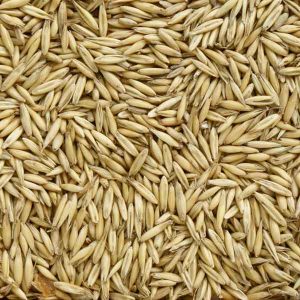
There are three different types of carbohydrates utilized by horses: simple sugars and starches, rapidly fermentable carbohydrates, and structural carbohydrates. This part of our series will deal with simple sugars and starches.
» View Article
571
View Article
Preventing winter weight gain in easy keepers. Some horses gain weight when given a winter break from trail riding, training,...
» View Article
1,136
View Article
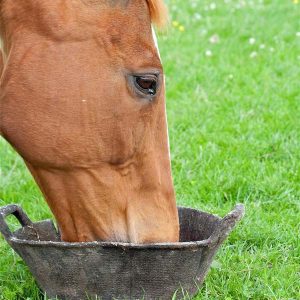
We have all heard that certain horses exposed to stressful conditions are at a higher risk of developing ulcers and...
» View Article
955
View Article
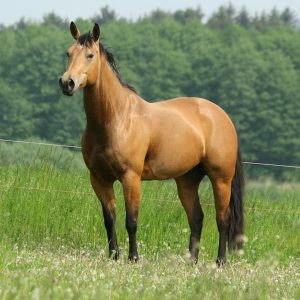
Packed with energy Fat is an effective energy source for horses. Pound for pound, fats provide 2.25 times more energy...
» View Article
5,857
View Article
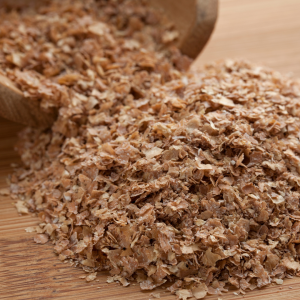
One of the most prevalent myths in the realm of horse nutrition today is that bran mashes are good for...
» View Article

4,113
View Article
Horses 18 years of age and older are considered geriatric or senior horses. Some horses, like some humans, age more...
» View Article