1,100
View Article
Depending on where you live, it can be very hard to find hay that is low enough in sugar to...
» View Article
1,200
View Article
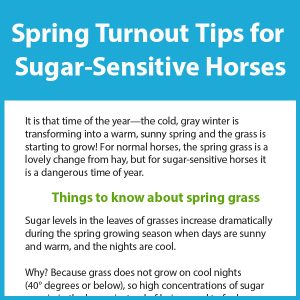
For normal horses, the spring grass is a lovely change from hay, but for sugar-sensitive horses it is a dangerous time of year.
» View Article
3,540
View Article
Soaking hay is one way to reduce the amount of sugar in the hay, but it should only be used...
» View Article
38
View Article
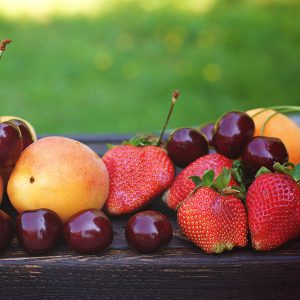
Looking for low-sugar treats for your horse? Try these fruits, but remember, all things in moderation and introduce new treats...
» View Article
50,916
View Article
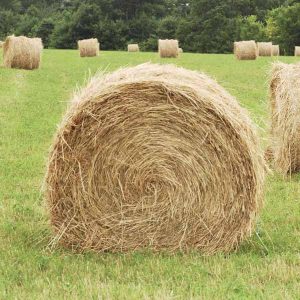
All horses need fiber in their diet and some of it must be the form of long hay. Horses challenged...
» View Article
358
View Article
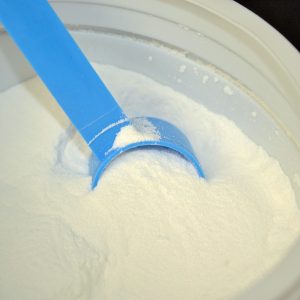
A scoop of Elevate Maintenance Powder contains 1,000 IU of natural vitamin E and 7 grams of sugar. This is...
» View Article
208
View Video
Lush, cool season spring grass is packed full of vitamins, minerals and energy, but it is also high in sugar!...
» View Video
4,509
View Article
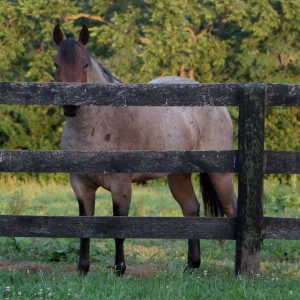
A better understanding of how the horse’s digestion system works has revealed that balancing forage intake with concentrate intake is...
» View Article
700
View Article
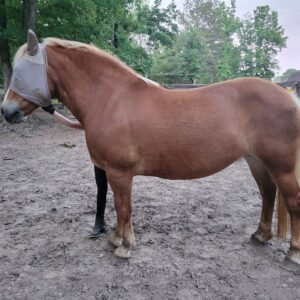
By Glenye Oakford 5 Key Takeaways Equine endocrine disease affects horses by disrupting hormone balance, leading to metabolic dysfunction, laminitis...
» View Article
6,300
View Article
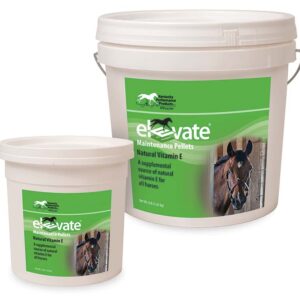
Natural vitamin E supplement for horses
Available sizes:
• 3 lb (1.36 kg) Supplies 108 scoops; 1 scoop = 1,000 IU of vitamin E
• 8 lb (3.62 kg) Supplies 289 scoops; 1 scoop = 1,000 IU of vitamin E » View Article

500
View Article
This article on endocrine disorders is written by Jane Manfredi, DVM, MS, PhD, DACVS-LA, DACVSMR (Equine), PGDIP Vet Med Ed Endocrine...
» View Article
1,400
View Article
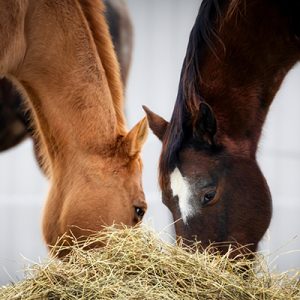
With cold weather underway in different parts of the country, many horse owners report a familiar phenomenon during the winter....
» View Article
600
View Article
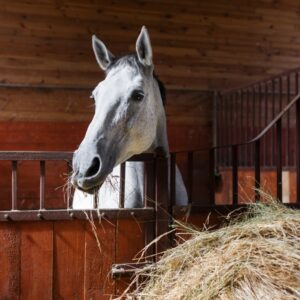
Caring for your equine partner is a year-round commitment that requires regular adjustment to their changing needs. When the weather...
» View Article
1,200
View Article
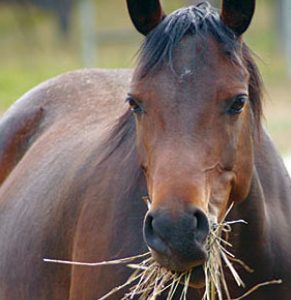
As the seasons shift, a horse’s dietary needs also change. Whether you’re preparing a horse for the colder months or...
» View Article
100
View Article
While patience and proper training techniques are essential when working with any horse, some horses can benefit from nutrients that support the normal activity of neurotransmitters (the chemicals responsible for transmitting impulses along nerve cells).
» View Article
400
View Article
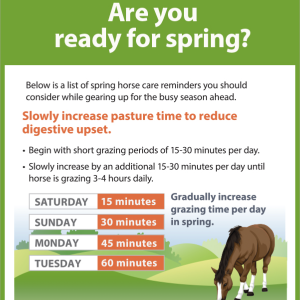
Below is a list of spring horse care reminders you should consider while gearing up for the busy season ahead.
» View Article
800
View Article
Winter can negatively impact horses challenged by equine metabolic syndrome in a variety of ways, and this can increase their...
» View Article
800
View Article
Q: What is the difference between Elevate® W.S., Elevate® Maintenance Powder and Elevate® Se? Q: Do I need to add oil or extra fat to my horse’s diet when I supplement with Elevate?
» View Article
700
View Article
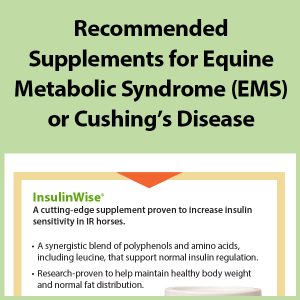
InsulinWise®
A cutting-edge supplement research-proven to support healthy insulin regulation.
A synergistic blend of polyphenols and amino acids, including leucine, that supports normal insulin regulation.
Research-proven to help maintain healthy body weight and normal fat distribution.
Sustains healthy hoof laminae.
Ask your vet if InsulinWise is right for your horse.
» View Article
700
View Article
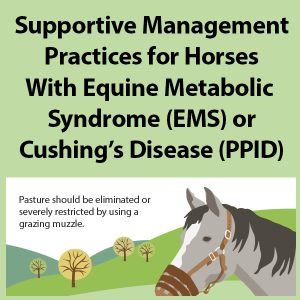
Pasture should be eliminated or severely restricted by using a grazing muzzle.
Pasture is particularly dangerous in the spring and the fall in areas where cool-season grasses flourish. WARM DAYS (60° or above) + COOL NIGHTS (40° or below) = More sugars stored in leaves
NSC = nonstructural carbohydrates, aka simple sugar and starch
» View Article
200
View Article
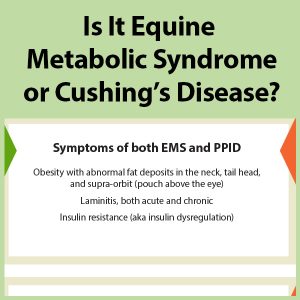
Symptoms of both EMS and PPID
Obesity with abnormal fat deposits in the neck, tail head, and supra-orbit (pouch above the eye)
Laminitis, both acute and chronic
Insulin resistance (aka insulin dysregulation)
» View Article

400
View Article
The most common question I get is, “What exactly is insulin resistance or dysregulation?” The following is not a scientist’s...
» View Article
400
View Article
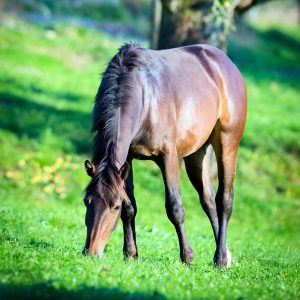
How grass grows The exact time spring grass begins to grow will vary from season to season. It also differs...
» View Article
453
View Article
The most important thing to keep in mind regarding “carbs” is that there are different types of carbohydrates and the...
» View Article