hard keepers

Equine Gastric Ulcers—Do You Need To Worry?

equine-horse-supplements-head8

A scoop of grain and two fluffy flakes of hay in the morning. A scoop of grain and two fluffy flakes of hay in the late afternoon. A few hours of turnout on mediocre pasture sometime during the day. Sound familiar? This feeding pattern is repeated almost without thought, but is it best for a horse? Does it sufficiently mimic a horse’s natural desire to graze, and does it keep a horse’s gastrointestinal tract in tip-top shape? Or is a horse... Read More »

Category : Digestive Health | Tips and Topics

Does Your Horse Need Extra Vitamins? Maybe…

equine-horse-supplements-pony1

Vitamins are organic compounds, which, when provided in the proper amounts, play a major role in the well-being of your horse. They are vital to the promotion and regulation of virtually all of the body's normal functions. Vitamins are available to your horse through a variety of sources, ranging from forages, such as grass and hay, to concentrates and supplements. Some vitamins, such as vitamin K and the B vitamins, are actually manufactured by the... Read More »

Category : Essential Vitamins | Nutritional Minutes | Tips and Topics

Why use a joint supplement

equine-horse-supplements-hoof-leg

In healthy joints, the ends of the bones are coated with a thin layer of friction-reducing tissue known as articular cartilage. The articular cartilage contains synovial fluid, a thick liquid that serves two primary functions: (1) as a source of nutrients for the articular cartilage, and (2) as a lubricant and shock absorber for the bones that form a joint. Lameness can result when damage occurs to any joint tissue, whether it involves the bones,... Read More »

Category : Tips and Topics | Valuable Nutrients

Influence of Source and Quantity of Supplemental Vitamin E on Equine Serum and Cerebrospinal Fluid a-Tocopherol and Its Implication for Neurologic Diseases

equine-horse-supplements-vitamin-e-elevate

Two studies were conducted at the University of California, Davis to measure effects of vitamin E supplementation on serum and cerebrospinal fluid (CSF) α-tocopherol levels. The first study was conducted to determine if there were differences in serum and CSF α-tocopherol levels between two groups of horses supplemented with two levels of vitamin E as water-soluble natural d-alpha-tocopherol. These results showed that daily administration of 10,000... Read More »

Category : Essential Vitamins | Tips and Topics

Feeding Directions: Mere Suggestions or Strict Guidelines?

feeding directions

Feeding directions are an important place to start. As human beings, we have the ability to manage our own daily food intake, but our horses don’t have that choice. They depend on us to provide the feed they need to survive. In the old days, the components of a horse’s diet were limited to plain grains and basic forages (hay and grass). Modern technology has changed that and now feed manufacturers have a wide range of ingredients at their disposal.... Read More »

Category : Health & Management | Nutritional Minutes | Tips and Topics

Research Proven Neigh-Lox® is Suitable for All Horses, No Matter Their Age or Use

equine-horse-supplements-headshot7

For years, horsemen have believed that the surefire way to sidestep gastric ulcers is full-time grazing. However, that widely held theory was challenged recently. Researchers at the University of California at Davis set out to determine the prevalence of gastric ulcers in broodmares. Results of the study indicated that pregnancy was not a factor in the development of ulcers, but the sheer number of ulcers found in these pasture-managed mares was... Read More »

Category : Digestive Health | Tips and Topics

Think “E” for Excellent Nutrition

equine-horse-supplements-trophey

Vitamins are often clumped together as a single entity, and the contributions of individual ones are sometimes overlooked. In recent years, scientists have been taking a closer look at vitamin E. Though the nutrient was first discovered more than 80 years ago, the scientific community continues to find new uses for this much-heralded vitamin. The far-reaching effects of vitamin E in equine nutrition are well known. Vitamin E plays imperative roles in... Read More »

Category : Essential Vitamins | Tips and Topics

High-energy advantages

equine-horse-supplements-jumper2

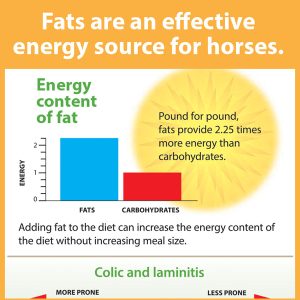
Simply put, horses need energy. Energy is traditionally supplied by cereal grains such as oats, corn, and barley. These feedstuffs deliver energy as carbohydrates or starch. But what if you want to supply more energy to your horse without increasing his feed intake? Feeding a fat supplement is an excellent way to achieve this. Fat is added to the diet because it is an excellent energy source. It contains almost 2.25 times as much energy as an... Read More »

Category : Fat & Fiber | Tips and Topics

Gastric Ulcer Treatment: A Two-Step Approach

equine-horse-supplements-grazing6

Veterinarians and horsemen recognize the harmful effects of gastric ulceration in their horses. Colic, chronic diarrhea, decreased appetite, and weight loss are documented clinical signs of gastric ulceration. Anecdotal reports point to changes in behavior as well, including depressed attitude or a surly, sour disposition. Fortunately, scientists and nutritionists identified the frequency in which gastric ulcers occur in horses and formulated products... Read More »

Category : Digestive Health | Tips and Topics

Researchers Confirm Vitamin E Lower in Horses Without Access to Pasture

equine-horse-supplements-headshot2

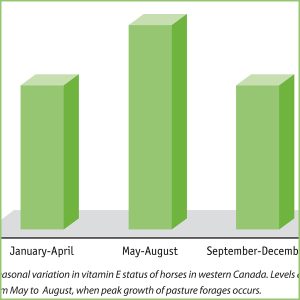
Horses are managed in varying conditions throughout the world. A vast number of them do not have access to growing pasture year-round due to geographic region, season, training schedules, or specific management routines. Because of their limited intake of fresh forages, these horses do not consume sufficient vitamin E for optimal health. Insufficient vitamin E in the diet can lead to muscle problems and impaired immune function. Canadian researchers... Read More »

Category : Essential Vitamins | Tips and Topics

Gastric Ulcers in Recreational Horses

equine-horse-supplements-headshot8

Do you believe gastric ulcers affect only high-performance athletes such as racehorses or Olympic contenders? Do you believe it takes weeks and perhaps months for gastric ulcers to develop? Do you believe gastric ulcers don’t derail performance? Once thought to be a menace only to elite equine athletes, gastric ulcers can develop within five days of exposure to a recreational show or event, according to a recent study. Signs of gastric ulcers... Read More »

Category : Digestive Health | Tips and Topics

Electrolyte Use in Fall and Winter

equine-horse-supplements-driving-horse

"I have only a few weeks’ worth of electrolyte supplement left in my bucket. With fall and winter approaching, do I need to order more and continue feeding year-round? I ride my gelding in the off-season, but ask nothing strenuous of him, usually just quiet hacking a couple times a week." Your question is a timely one. Most horsemen and horsewomen classify electrolytes as “seasonal supplements.” That way of thinking is certainly justified. After... Read More »

Category : Electrolytes | Tips and Topics

Energy Crisis

equine-horse-supplements-eating-hay

As pastures fade from green to brown, horse owners all over will soon be feeding hay to meet their horses’ energy requirements. A diet composed primarily of forage and the recommended amount of a well-fortified concentrate is all most horses need to maintain their weight. But many horses—like old horses or hard keepers—need more than the basics to stay plump and healthy through winter. To prevent an energy crisis in these calorie-needy horses,... Read More »

Category : Fat & Fiber | Tips and Topics

Vitamin E: An Essential Nutrient for Horses

equine-horse-supplements-headshot5

Vitamin E is an essential nutrient for horses and is beneficial in combating the many effects of free radical production that can damage membranes and components of cells. As such, vitamin E appears to be most beneficial to young rapidly growing foals, pregnant mares, stallions, and especially equine athletes. Natural and synthetic sources of vitamin E, unlike other vitamins, have different structures, and the natural form is transported quickly and... Read More »

Category : Essential Vitamins | Tips and Topics

Vitamin E Necessary for Optimal Health

equine-horse-supplements-grazing7

The most important function of vitamin E in the horse’s body revolves around its antioxidant properties. Antioxidants offset the damage caused by free radicals, which are unstable compounds that are generated when oxygen is burned by the body. When these free radicals circulate throughout the body unchecked, they cause cellular damage that is thought to play a role in various health problems. A diet abundant in vitamin E and other antioxidants ensures... Read More »

Category : Essential Vitamins | Tips and Topics

Sign up for KPP’s Nutritional Minute

Receive E-facts about equine nutrition and horse health to your email address.

* = required field

Choosing the Right Horse Nutritional Supplement

Choosing horse supplements can be confusing. There are so many products, making so many claims. How do you know which ones are right for your horse? The mission of Kentucky Performance Products, LLC is to simplify your search for research-proven nutritional supplements that meet the challenges facing today’s horses. more..